October 7, 2026
Choosing a mobile office provides companies with an adaptable, cost-effective space that aligns seamlessly with modern work requirements. Prefabricated workspace units are no longer viewed merely as secondary options during short transitions. Instead, these versatile structures serve as vital operational assets that allow organizations to expand quickly, streamline daily activities, and maintain continuous productivity across diverse project locations.
As project demands evolve and geographic footprints shift, modern enterprises require agile workplace solutions that deploy rapidly without permanent real estate commitments. By eliminating traditional construction delays and long-term leases, organizations can focus directly on driving project performance, supporting field staff, and delivering measurable results across all active ventures.
Understand Portable Workspace Solutions
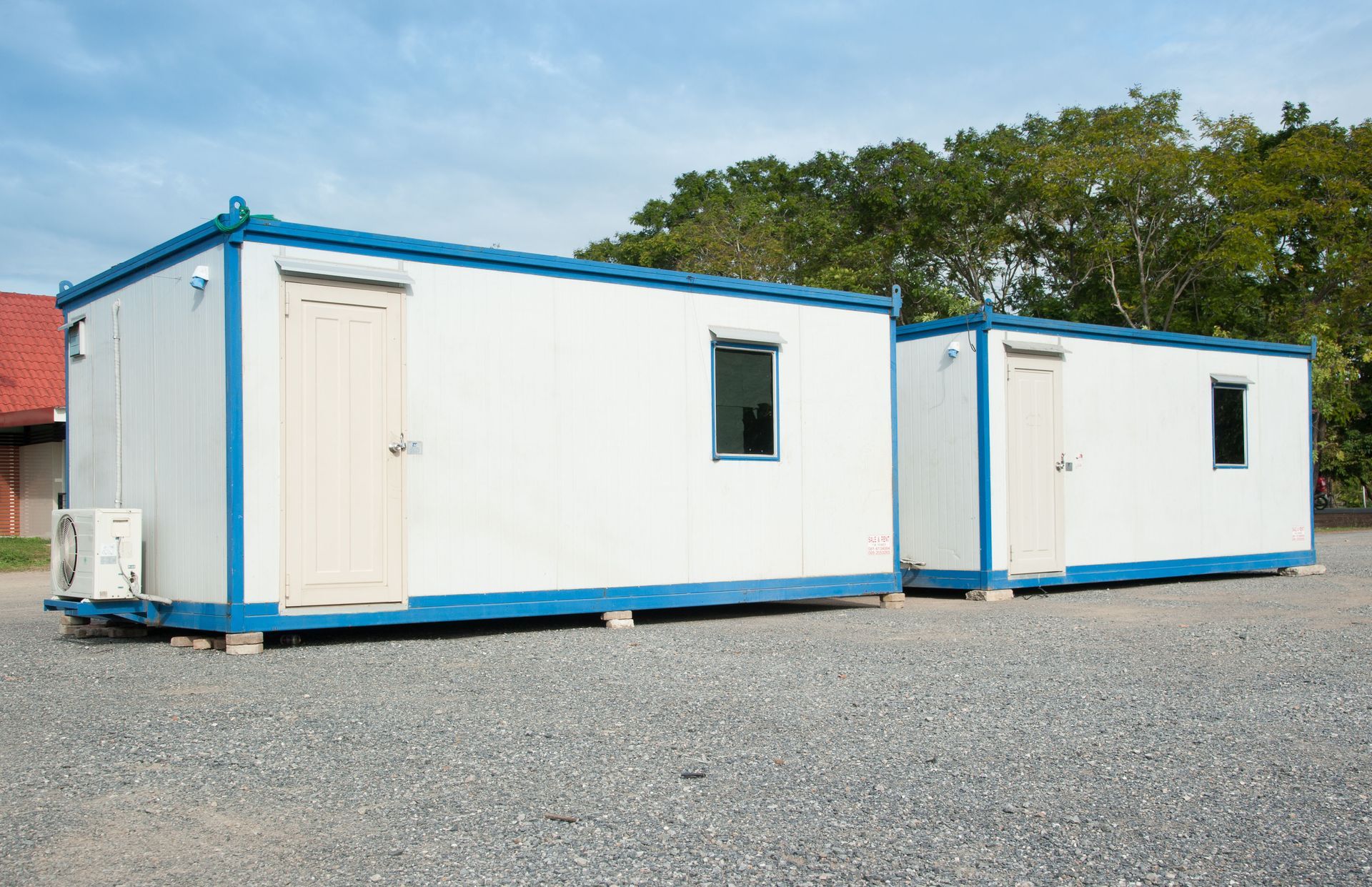
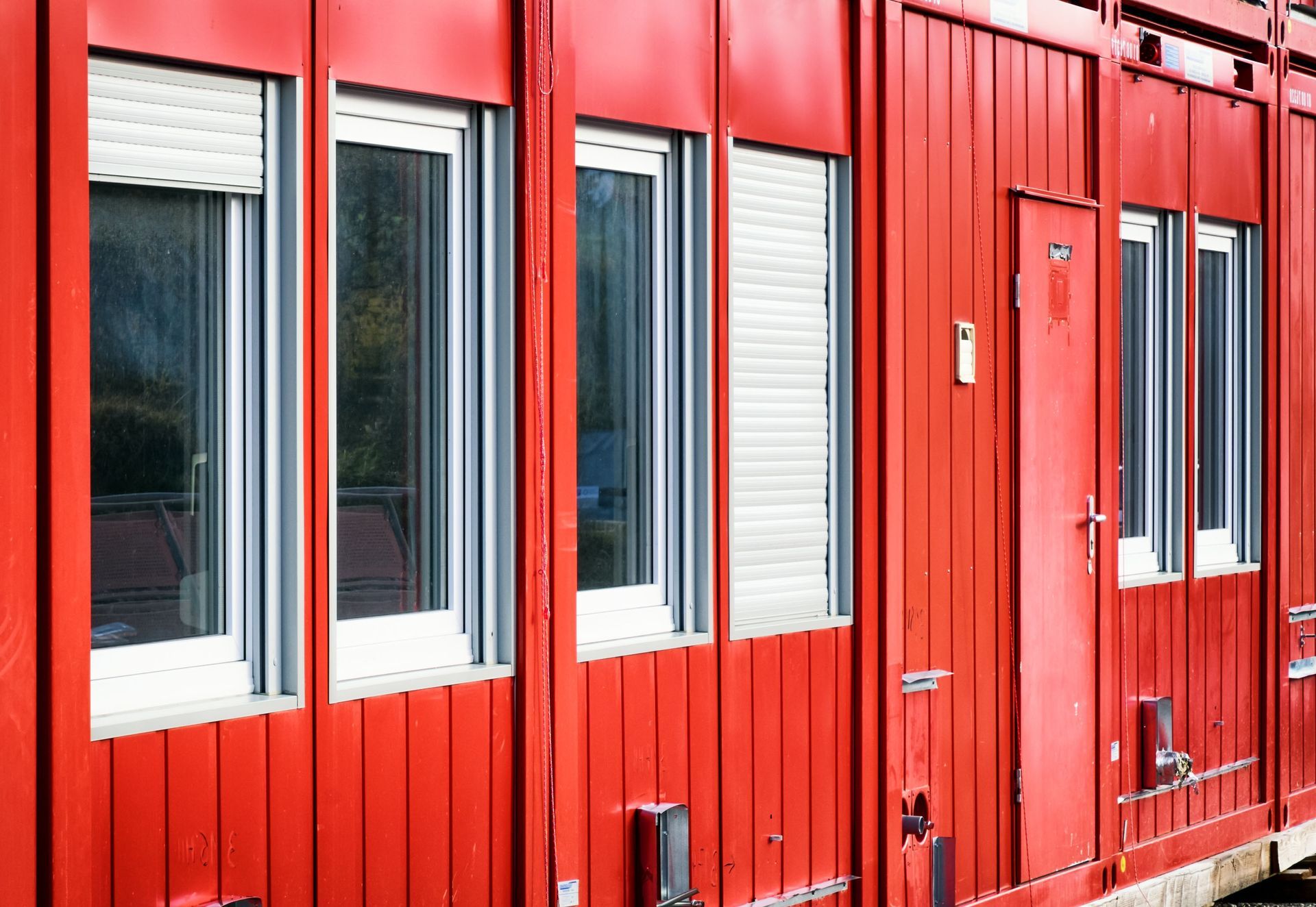
Deploying a mobile office gives expanding businesses access to versatile prefabricated units that can be transported, assembled, and operationalized at virtually any location. Available as container facilities, specialized trailers, or comprehensive modular buildings, these units satisfy varied operational requirements without the extensive timelines associated with permanent real estate development. Modern structures have evolved significantly from basic field trailers into sophisticated environments equipped with advanced climate control, modern electrical wiring, sound insulation, and reliable data infrastructure.
Comparing temporary modular facilities with conventional brick-and-mortar office buildings highlights major operational advantages for dynamic enterprises. Traditional physical real estate demands long-term financial leases, substantial upfront capital, and tedious structural modifications whenever spatial requirements change. Conversely, adaptable modular units can be expanded, reconfigured, or relocated whenever corporate priorities shift. This rapid spatial adaptability ensures that growing project teams retain adequate working space without incurring unnecessary overhead or long-term financial liabilities.
Organizations across diverse commercial sectors utilize these adaptable structures to overcome location challenges and streamline management workflows. General contractors rely on heavy-duty command hubs to coordinate complex construction projects directly on location. Academic institutions deploy modular classrooms to manage student enrollment surges or maintain active learning environments during campus renovations. Commercial event organizers and emergency medical teams similarly leverage relocatable setups for coordination centers and remote clinical care, demonstrating widespread operational utility.
Maximize Operational Flexibility
Scaling a workspace layout allows project leads to respond swiftly to changing project scopes and fluctuating team sizes. Interior configurations can be customized with modular partitions, ergonomic office workstations, private executive rooms, and collaborative meeting areas to suit specific organizational needs. This spatial agility enables growing companies to tailor their work environment without suffering disruptive construction delays, ensuring that daily administrative workflows remain continuous throughout all physical site adjustments.
Geographic freedom represents another major advantage provided by relocatable facility rentals for expanding commercial operations. Companies operating in mining, oil drilling, infrastructure development, or regional market testing can establish functional field bases in immediate proximity to critical clients, natural resources, or job sites. Positioning operational bases closer to active projects enhances team communication, simplifies supply chain logistics, and accelerates strategic decision-making processes by placing management directly on site.
Flexible rental structures effectively support both immediate short-term project objectives and extended multi-year corporate initiatives. Temporary assignments benefit from rapid site deployment and prompt removal once project tasks conclude, preventing ongoing idle facility expenses. For multi-year assignments, leased units offer reliable structural durability and seamless site integration while preserving the freedom to relocate when contract terms end, giving corporate leaders complete authority over facility deployment strategies.
Boost Workplace Productivity
Designing an optimized mobile office environment directly enhances employee concentration, personal comfort, and overall daily task output. Modern modular facilities feature acoustic insulation, ergonomic office furniture, proper ventilation systems, and balanced natural lighting that create highly professional working atmospheres. By minimizing ambient job site noise and worker fatigue, these well-organized spaces allow staff members to complete complex technical tasks efficiently regardless of surrounding environmental conditions.
Equipping a workspace with high-speed internet connectivity, cloud integration, and telecommunications technology ensures continuous communication between remote field sites and corporate headquarters. Advanced technology integration allows team members to host virtual conferences, access enterprise databases, and transmit real-time operational updates without experiencing communication lags. Eliminating technical bottlenecks maintains project momentum, supports collaborative problem-solving, and keeps remote teams aligned with broader business objectives.
Positioning modular facilities directly on active project sites significantly reduces daily commute times and eliminates unproductive travel delays for field workers. Shorter travel times between administrative desks and active work areas improve overall daily output while reducing worker exhaustion, promoting better work-life balance and higher job satisfaction. Minimizing operational downtime during facility setup transitions ensures continuous project progress while keeping critical commercial deadlines on track.
Optimize Financial Resources
Choosing a mobile office rental eliminates steep capital investments required for commercial land acquisition and permanent facility construction. Leasing options allow executive teams to transform heavy upfront capital expenditures into predictable, manageable monthly operational costs. Standardized rental pricing simplifies financial budgeting, optimizes working capital management, and preserves vital corporate cash reserves for core business expansion, product development, and technological upgrades.
Comprehensive financial evaluations demonstrate that leasing modular units yields significant cost savings by eliminating property taxes, major structural maintenance, and long-term facility insurance. Companies avoid severe financial penalties associated with terminating traditional real estate leases early when market conditions shift unexpectedly. The inherent freedom to scale facility capacity up or down ensures that organizations pay exclusively for the physical space required at any given stage of growth.
Industry research emphasizes the growing global reliance on flexible prefabricated structures across modern commercial sectors. According to Data Intelo, the valuation of the global mobile office trailer industry reached $7.4 billion in 2025 and is forecasted to expand to $12.8 billion by 2034. This rapid market expansion highlights how business leaders worldwide leverage adaptable modular assets to achieve long-term financial efficiency while maintaining exceptional operational productivity across dynamic working environments.
Promote Environmental Sustainability
Constructing modular workspaces using off-site prefabricated manufacturing techniques generates significantly less material waste than traditional on-site building construction. Prefabrication facilities utilize raw materials with precision and incorporate sustainable features such as energy-efficient heating and cooling systems, LED lighting, and eco-friendly insulation materials. Reusing prefabricated modular structures across multiple consecutive project lifecycles conserves natural resources and substantially reduces total corporate carbon footprints.
Deploying a mobile office in strategic regional locations helps decentralize business operations and reduce urban traffic congestion and vehicle emissions. Placing administrative hubs closer to remote project sites shortens daily commutes for field staff, directly supporting eco-friendly corporate sustainability targets. Local communities also experience positive economic impacts through new jobs created for transportation, site installation, routine maintenance, and ongoing logistics support for modular units.
Adopting sustainable workspace solutions inspires organizations to implement broader environmentally friendly practices, including digital paperless administrative workflows and active site recycling programs. Advanced applications frequently feature renewable energy integrations, such as rooftop solar array installations capable of powering off-grid modular facilities. These green initiatives foster environmentally conscious workplace cultures while lowering utility expenses and supporting global sustainability goals.
Modular workspace rentals provide an unmatched combination of spatial flexibility, cost management, and operational productivity for modern growing enterprises. By removing the financial and physical barriers associated with permanent building construction, businesses can deploy functional workspaces quickly, optimize corporate financial resources, and maintain consistent output across continuously changing location requirements.
Whether managing remote project locations, testing new commercial markets, or providing dedicated workspace for field staff, investing in a mobile office provides the strategic agility necessary to thrive in competitive industries. When you are ready to enhance your operational capability with high-quality workspace solutions, contact us at Midwest Container Sales and Rental so we can help you choose the ideal modular configuration for your organization.