April 7, 2026
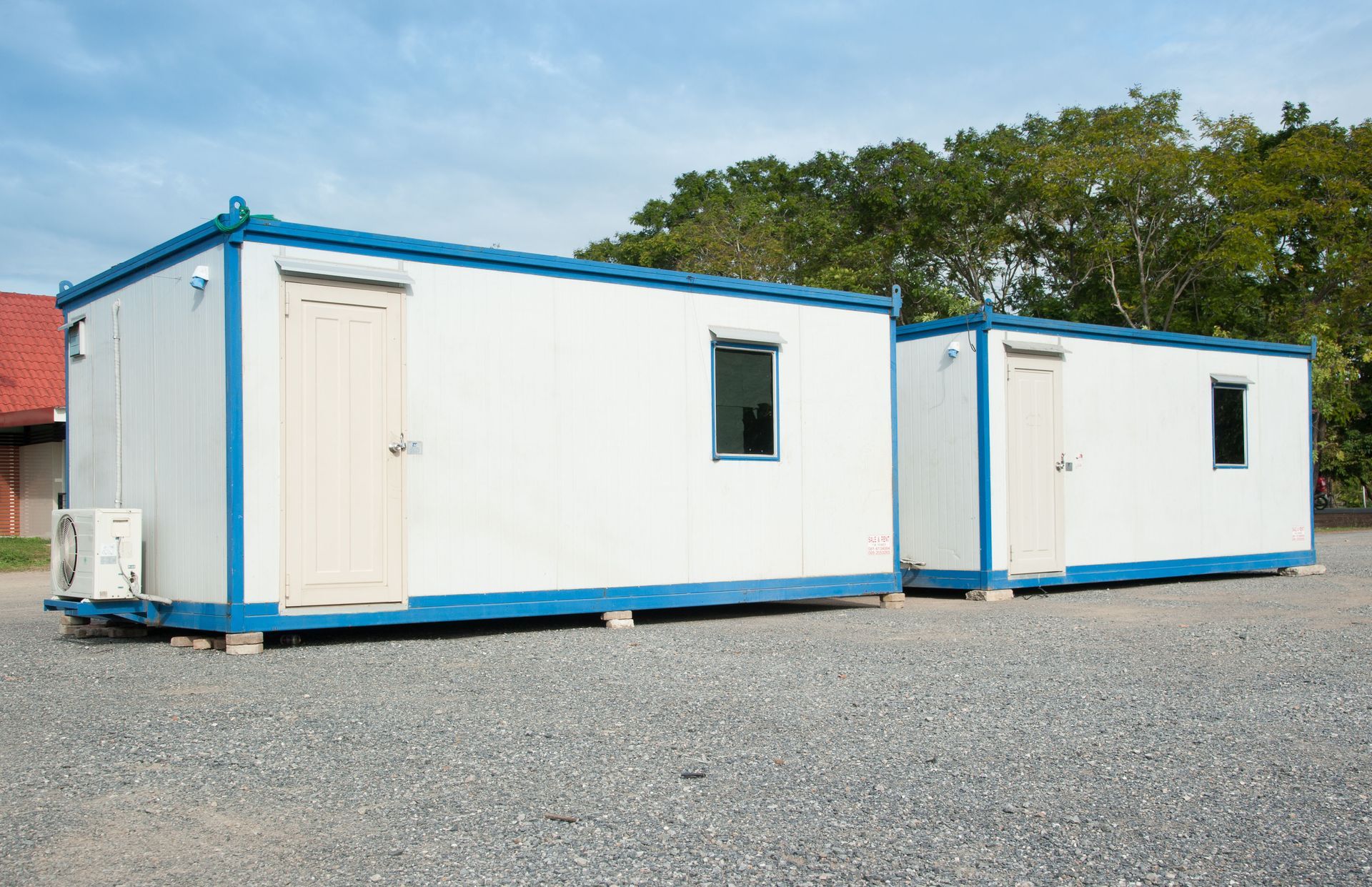
In the rapidly evolving construction industry, efficiency and adaptability are crucial for success. One innovative solution that has gained popularity is the use of mobile offices. These adaptable workspaces offer a multitude of benefits, tailored specifically to the dynamic demands of construction projects. Let's explore the various ways a mobile office can streamline construction work, enhancing productivity, communication, and overall project outcomes.
1. Enhanced Project Management
Mobile offices significantly bolster project management capabilities by offering real-time monitoring and reporting tools. With on-site project management software integrated into these offices, site managers can track progress and make data-driven decisions instantly. This immediacy in data retrieval and analysis provides a distinct advantage compared to traditional methods, where information might be delayed. Consequently, construction teams can adjust strategies promptly, ensuring the project stays on track with its timeline and budgetary targets. By facilitating an agile project management approach, a mobile office helps minimize costly overruns and delays.
Another key aspect of enhanced project management through mobile offices is the centralized access to documents. Important paperwork, from blueprints to contracts and regulatory documentation, can be stored and accessed easily within the mobile office. This centralized system reduces instances of lost paperwork and ensures only the most updated documents are in circulation, mitigating errors stemming from outdated plans. As communication is streamlined, misunderstandings are minimized, leading to a more efficient workflow. This also plays into the effective resource allocation seen within mobile offices, as the digitization of documents contributes to optimized utilization of both time and materials.
2. Improved Communication and Collaboration
Mobile offices serve as central hubs for on-site meetings and briefings, fostering improved communication among team members. Conducting meetings on-site allows stakeholders to witness current site conditions, facilitating more informed decision-making. Regular briefings can enhance teamwork and ensure that key objectives and updates are consistently communicated. By holding discussions in a central, isolated space, teams can maintain focus without typical site disruptions interfering. This approach reduces the potential for miscommunication and ensures everyone is aligned with project objectives.
The seamless coordination of stakeholders is another communication benefit offered by a mobile office. Construction projects often involve multiple parties, from architects to subcontractors, each playing a critical role. Mobile offices provide a physical space that supports frequent and effective collaboration, helping align these diverse parties. With dedicated technological resources such as video conferencing capabilities, mobile offices facilitate the inclusion of off-site stakeholders in discussions. This infrastructure supports a connected and cohesive project environment, where each stakeholder is regularly updated and involved, aiding in project efficiency.
3. Increased Flexibility and Adaptability
The ability of mobile offices to be easily relocated and set up enhances a construction site's flexibility immensely. Mobile offices are designed for quick assembly and disassembly, making them ideal solutions for projects requiring frequent relocations. This flexibility allows construction firms to maximize the use of office space at various job sites without incurring extensive relocation costs. By quickly setting up these offices, construction teams can respond to project changes in a timely manner. This adaptability ensures that office spaces are always in alignment with project needs and site conditions.
Scalable office solutions are another attribute of mobile offices that contributes to their adaptability. With varying sizes and configuration options, a mobile office can be tailored to match specific project requirements. Whether a small team is conducting oversight or a larger gathering involves multiple stakeholders, mobile offices can be adjusted accordingly. They can be expanded with additional units or reconfigured internally to provide optimal workspace solutions. As a result, construction firms are equipped with proactive strategies to adapt to growing project scales and increasing complexity.
Mobile offices, by virtue of their design, adapt to a variety of project needs and operational environments. As projects evolve, the functions of a mobile office can change, providing space for administrative tasks, serving as emergency response centers, or facilitating on-site training sessions. According to IBISWorld, over 67,786 businesses operate in the American commercial construction industry, emphasizing the diverse projects mobile offices must accommodate. The inherent adaptability of these offices allows firms to efficiently shift resources and reassign office functions as needed. This flexibility supports a responsive and resourceful approach to diverse construction challenges.
4. Boosted Productivity
Mobile offices contribute to minimizing downtime on construction sites, directly impacting productivity levels. By housing essential project management and communication tools, mobile offices reduce the need for staff to commute between different locations. This setup allows key personnel to be consistently present on-site, addressing issues as they arise, and keeping the construction process moving smoothly. With minimized disruptions, workers can maintain focus on their tasks, reducing delays and inefficiencies. This approach optimizes workflow management, ensuring critical tasks are prioritized and completed on schedule.
The optimization of workflow is a significant outcome of employing mobile offices. Tasks can be planned and coordinated within these spaces with efficiency, as all necessary information and decision-making resources are available on-site. By creating a centralized place where team members can gather and collaborate, project timelines are better managed, and potential bottlenecks are addressed proactively. This efficient spatial organization of work tasks ensures high productivity levels, allowing personnel to concentrate on delivering quality work without unnecessary interruptions. With the ability to orchestrate construction efforts from a central location, a mobile office streamlines processes and enhances output.
5. Effective Resource and Inventory Management
Real-time inventory tracking is significantly improved with the integration of mobile offices at construction sites. Project managers can monitor supply levels accurately, ensuring essential materials are readily available when needed. This capacity for live tracking leads to strategic purchasing decisions, aligning inventory with project demands, and preventing costly material shortages or surpluses. By maintaining optimum inventory levels, projects can remain on course without unnecessary interruptions. This precise management of resources underscores the cost-effectiveness and enhances site efficiency.
Mobile offices also facilitate efficient management of tools and equipment available on-site. By centralizing resource management within a mobile office, site supervisors can ensure that equipment is appropriately allocated and maintained. Regular checks and schedule-driven inspections keep construction machinery in peak condition, minimizing unexpected breakdowns and maintenance delays. As a result, projects benefit from consistent availability of functional tools and unavailable resources do not impede project progress. Effective management practices contribute to reduced operational costs and timeliness in task execution.
6. Enhanced Safety and Compliance
One of the key functions of mobile offices is to centralize safety briefings, reinforcing a culture of safety on construction sites. These offices operate as bases for regular health and safety discussions, ensuring protocols are ingrained within the workforce. By conducting these briefings directly at the mobile office, workers receive up-to-date information about any newly identified risks and safety measures. This direct communication supports compliance with safety standards and guidelines, protecting workers on the ground. Frequent dissemination of safety protocols and updates safeguards site operations and minimizes workplace accidents.
Quick incident reporting is another vital capability facilitated by mobile offices, promoting a swift response to emergencies or accidents. Personnel can immediately report any incidents encountered on-site directly from their mobile offices, triggering prompt investigations and response actions. This immediate relay of information expedites the deployment of first-response measures and mitigates further hazards. Companies can rely on mobile offices to maintain a high standard of safety during construction activities, protecting both workers and project integrity. Effective monitoring and incident management ensure sites remain compliant with occupational health regulations.
Mobile offices have emerged as a vital tool in transforming construction sites into efficient, adaptable, and productive environments. By centralizing key operations and enhancing communication, they provide immense value in managing the complexities of construction projects. If you're interested in enjoying the benefits of a mobile office, reach out to Midwest Container Sales and Rental today. We can get you started with a free quote!