February 5, 2026
Efficient storage solutions are more critical than ever. Companies across industries, from construction and retail to manufacturing and logistics, face the constant challenge of storing materials, inventory, and equipment in a secure, cost-effective manner. Traditional warehousing solutions can be expensive, inflexible, and require long-term leases, leaving many businesses searching for alternatives that provide both adaptability and durability. This is where shipping container storage comes into play, offering businesses a unique combination of practicality and affordability.
Container storage has evolved far beyond its original purpose of transporting goods across oceans. Modern containers provide secure, portable, and versatile storage options that can be adapted to nearly any commercial need. Their durable construction, ease of transport, and scalability make them an increasingly popular choice for businesses looking to streamline operations without committing to permanent infrastructure. Explore the top four commercial benefits of using container storage.
1. Reduce Costs With Container Storage
One of the most compelling reasons businesses turn to shipping container storage is the cost savings it offers. Traditional warehouse space comes with significant overhead, including monthly rent, utility costs, insurance, and staffing. In contrast, shipping units provide a one-time investment that can be used for years without additional recurring expenses, making them a financially attractive option for businesses seeking to reduce operating costs.
Containers can often be purchased or leased at a fraction of the cost of constructing a permanent storage facility. Their modular design allows businesses to scale storage up or down depending on current needs, avoiding the inefficiencies associated with empty warehouse space. Companies can deploy containers quickly to accommodate seasonal inventory spikes or project-specific requirements without incurring long-term financial commitments.
Maintenance costs for these containers are also minimal. Constructed from durable steel, these containers withstand harsh weather conditions and require little upkeep over time. This longevity translates into lower replacement and repair costs compared to conventional storage buildings, which can degrade quickly without consistent maintenance.
The portability of shipping units adds another layer of cost efficiency. Containers can be relocated easily from one business site to another, eliminating the need for multiple fixed storage facilities. This flexibility ensures that your storage investment remains functional and adaptable as your operations evolve, offering savings in both time and resources.
2. Protect Assets Through Enhanced Durability
Security is a top priority for any business managing valuable inventory or sensitive equipment. Shipping units offer robust protection due to their heavy-duty steel construction, which makes unauthorized access difficult. Unlike traditional storage sheds or temporary buildings, containers are designed to withstand substantial physical force, providing peace of mind that your assets are safeguarded against theft and vandalism.
Many containers are also designed with reinforced locking systems, further enhancing security. Businesses can install padlocks, electronic locks, or even integrated alarm systems to ensure that only authorized personnel can access the stored goods. For companies handling high-value items, such as electronics, tools, or confidential materials, this level of protection is essential to minimize potential losses.
Durability is another significant advantage of using these containers. Originally engineered to endure the harsh conditions of international shipping, containers are resistant to extreme temperatures, heavy rain, and strong winds. This makes them ideal for outdoor placement without requiring additional structural reinforcement. The steel walls, roof, and floor construction protect goods from environmental damage, reducing the risk of spoilage, corrosion, or weather-related wear and tear.
Additionally, shipping units are naturally fire-resistant compared to wooden or plastic storage solutions. While no storage option can guarantee complete protection against fire, containers’ steel construction provides a strong barrier, giving businesses added confidence in the safety of their inventory. By combining security and durability, shipping container storage creates a reliable solution for companies seeking long-term peace of mind.
3. Adapt to Needs With Customization Options
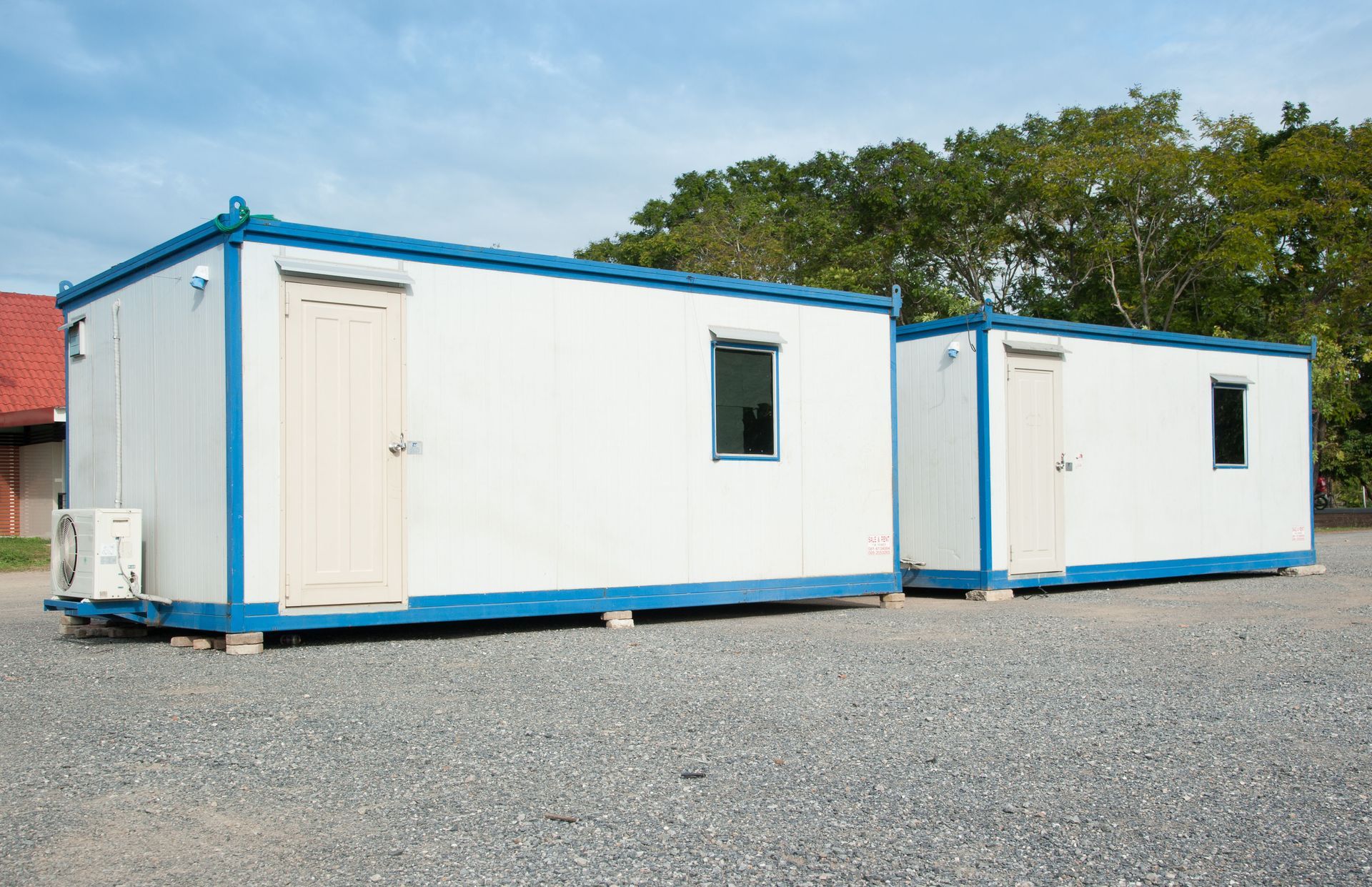
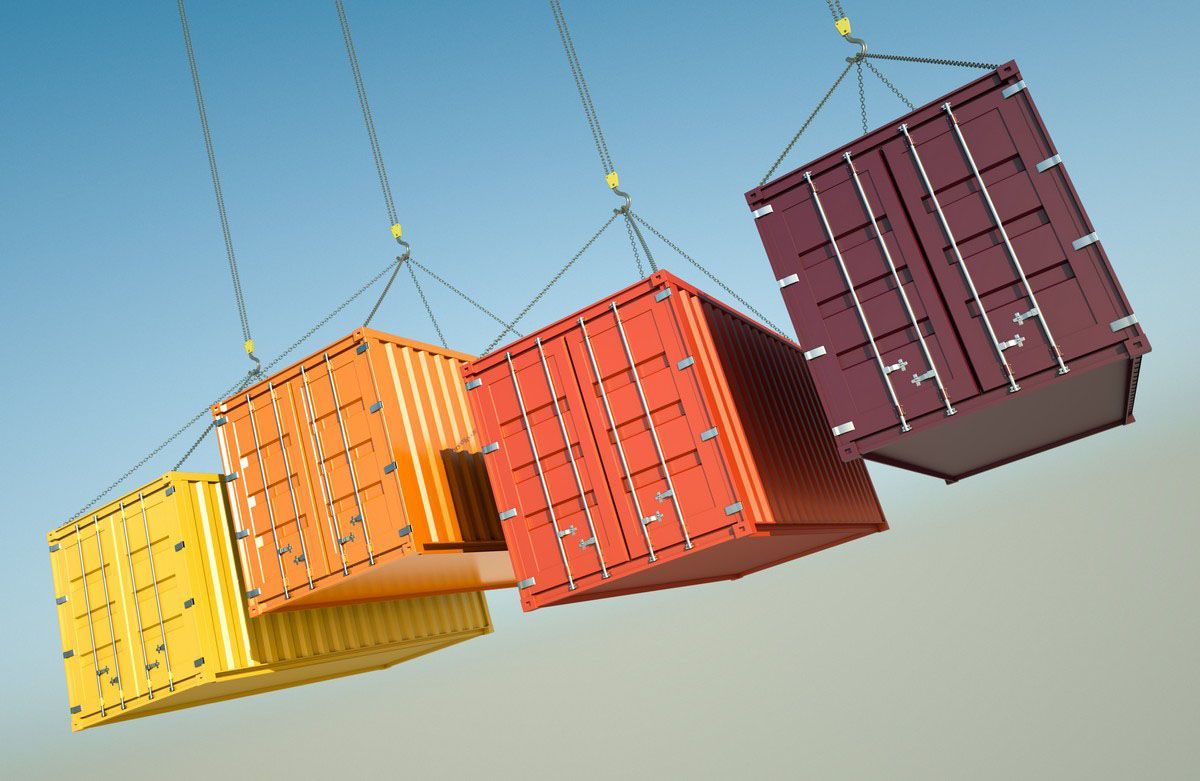
Another major advantage of shipping container storage is the flexibility and customization options available to businesses. Containers come in various sizes, typically ranging from 10 to 40 feet in length, allowing companies to select the appropriate storage footprint for their needs. Multiple containers can be stacked or arranged in configurations that maximize available space, making them suitable for tight urban lots, construction sites, or expansive commercial properties.
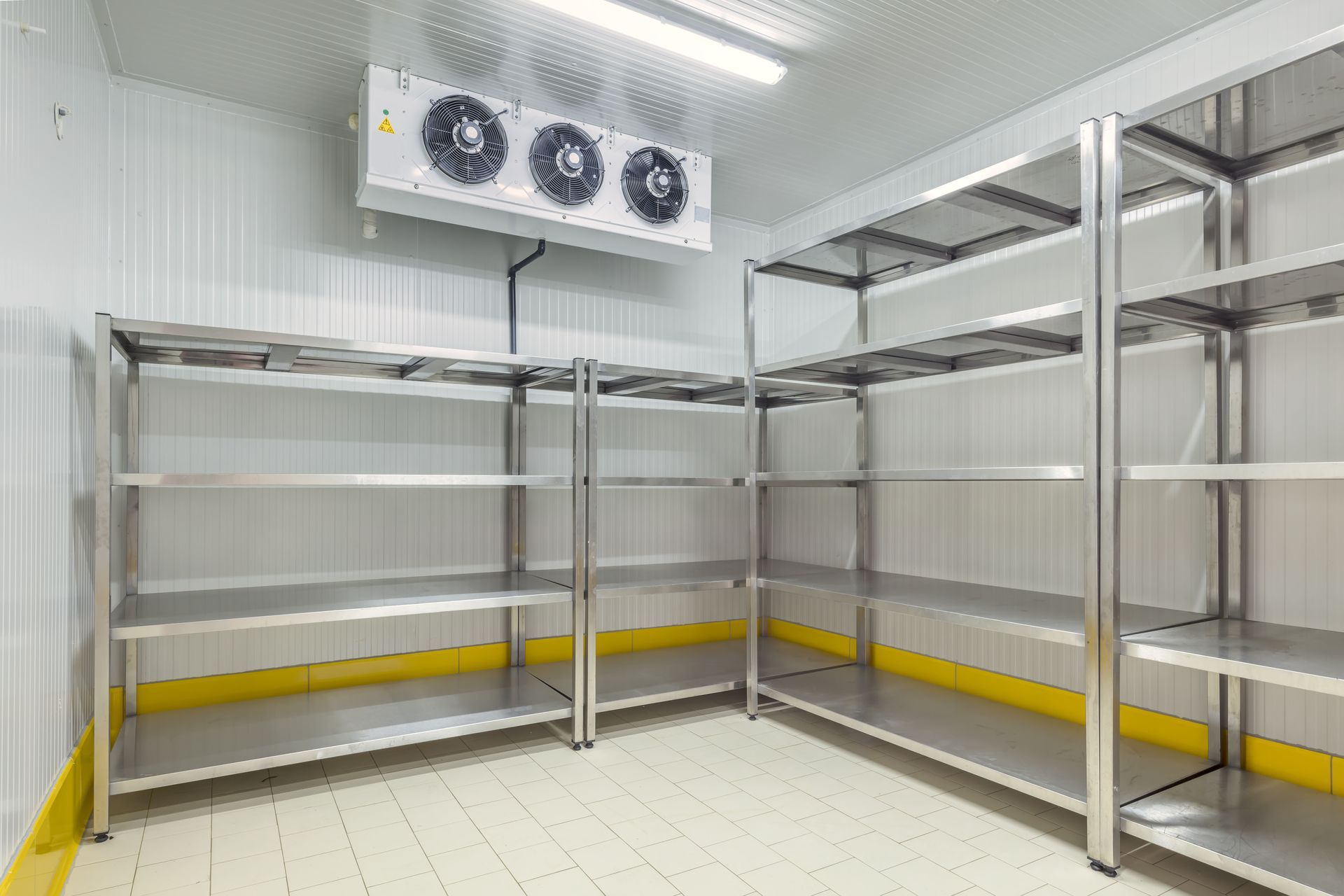
Customization is also highly accessible with these containers. Interior modifications such as shelving, lighting, climate control, and ventilation can be installed to tailor the container to specific storage requirements. For example, perishable goods may require temperature-controlled units, while high-value tools may benefit from enhanced security features. These modifications transform standard containers into purpose-built storage solutions that support a wide range of business operations.
Portability further adds to their flexibility. Businesses can move containers between locations as needed, whether it’s shifting seasonal inventory to a temporary storage yard or relocating equipment between job sites. This adaptability minimizes the need for multiple storage facilities and supports operational efficiency across multiple locations.
Containers are also compatible with modular expansion. Companies can easily add more units as their storage demands grow without the need for costly construction or site redesigns. This scalability ensures that container storage solutions can evolve alongside a business, providing an agile alternative to traditional, fixed storage options.
4. Maximize Longevity and Sustainability
Investing in shipping container storage also offers long-term sustainability benefits for businesses. Constructed from corten steel, a weathering steel known for its strength and corrosion resistance, containers are designed to last for decades with minimal maintenance. According to Planter Craft, corten steel was developed in the 1930s by the U.S. Steel Corporation for use in railroad cars and bridges. Its robust properties ensure that containers remain structurally sound even under harsh environmental conditions, protecting your stored goods for years to come.
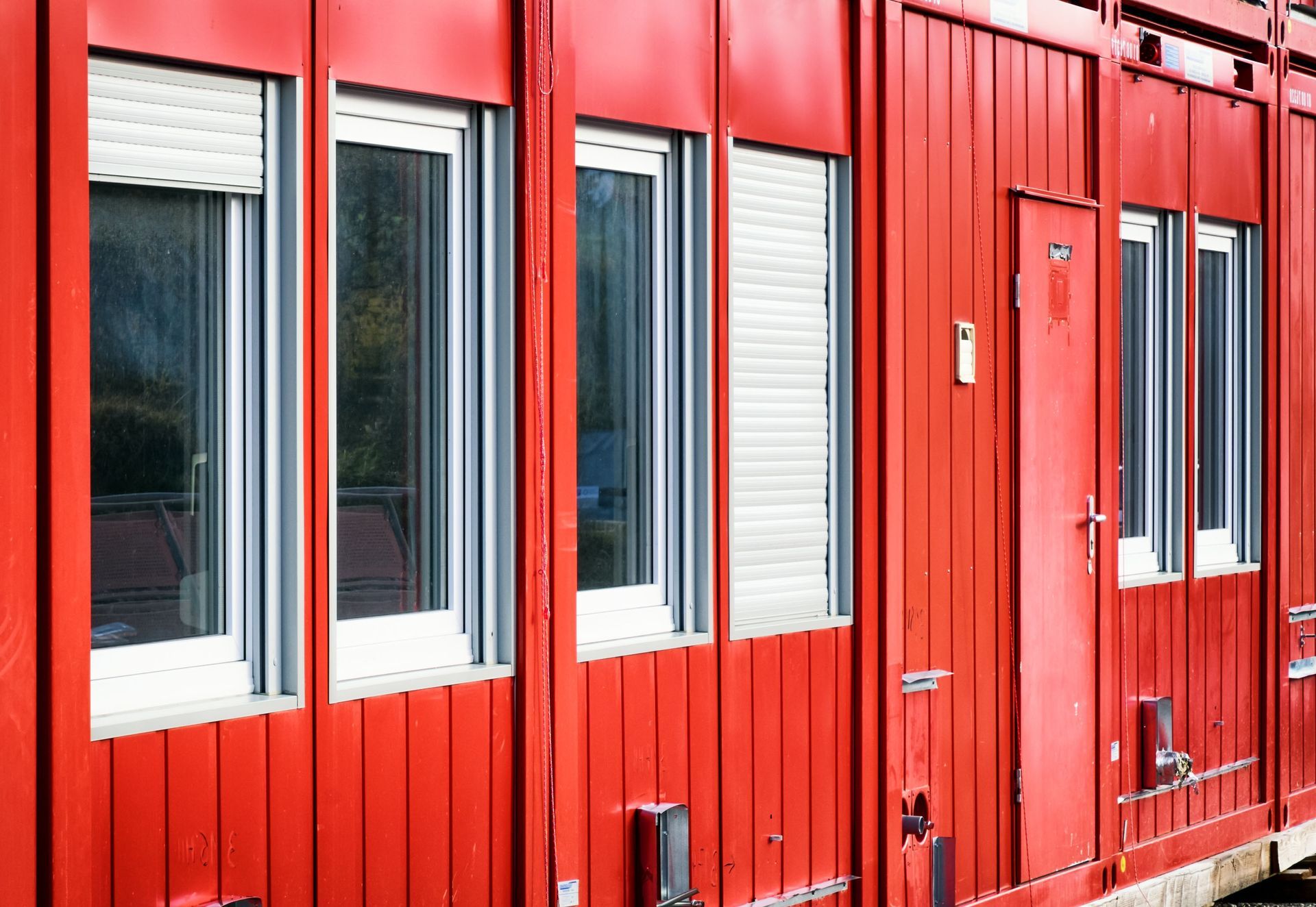
The longevity of the containers translates into fewer replacements and less material waste, supporting environmentally conscious business practices. By reusing or repurposing containers for storage, companies reduce their carbon footprint compared to constructing new buildings from scratch. Many businesses also repurpose retired shipping containers into mobile offices, pop-up shops, or storage expansions, further extending their lifecycle and minimizing environmental impact.
Container storage can contribute to energy efficiency. Unlike conventional warehouses that require heating, cooling, and lighting for large, open spaces, containers can be insulated and fitted with energy-efficient lighting or climate control on a smaller scale. This targeted approach reduces energy consumption while maintaining optimal storage conditions.
The modular nature of shipping units makes them ideal for businesses focused on sustainable growth. Containers can be relocated, repurposed, or recycled at the end of their life cycle, ensuring that your storage solution aligns with broader environmental goals. By combining durability, versatility, and sustainability, container storage supports both operational efficiency and corporate responsibility.
Shipping container storage is rapidly becoming a preferred choice for businesses seeking practical, cost-effective, and secure storage solutions. From reducing overhead costs and minimizing maintenance expenses to offering unparalleled flexibility and customization options, containers provide an adaptable alternative to traditional warehousing. Their robust construction and inherent durability make them ideal for safeguarding inventory, equipment, and materials, even in challenging environments.
The long-term sustainability of shipping units enhances their appeal for companies committed to environmentally responsible practices. With their modular design, portability, and ability to be customized or repurposed, containers offer a scalable storage solution that grows alongside your business. The commercial benefits of shipping container storage enable businesses to optimize operations, protect assets, and embrace a flexible, future-ready approach to inventory management.
We’re ready to help your business find the perfect solution with our durable shipping containers. At Midwest Container Sales and Rental, we take pride in providing flexible, cost-effective storage options that meet our customers’ unique needs.